
Everyday Wellbeing, Thoughtfully Supported
Strong everyday wellbeing rarely comes from a single change. Fitlab Nutrition Services brings together the small, repeated choices, the food, the movement, the rest and the routine, that quietly shape how the body feels each day. This space is for those who want sensible, grounded support that fits into real life.

Strong daily wellbeing rarely comes from a single habit or one new supplement. It is shaped by the steady accumulation of small choices, what people eat, how often they move, how well they sleep, how they manage stress, and whether they pay attention when the body feels off balance.
Fitlab Nutrition Services focuses on practical, sensible wellbeing support for those who want to pay closer attention to areas like gut health, metabolic balance, energy, focus and the routines that hold the day together. The aim is not to promise transformations or quick wins. It is to help people understand how nutrition, supplementation, movement, rest, hydration and consistency can work together as part of a healthier lifestyle.
A realistic wellbeing routine should feel workable. It needs to support the body without the pressure of extreme plans or perfect outcomes. That is the foundation on which Fitlab Nutrition Services is built. Modern wellness should feel sensible, grounded and sustainable.
The intention behind these services is to help people look at their day in a more honest way. The most useful changes are often the simplest ones, repeated until they become familiar. Rather than searching for a single answer, the focus shifts toward routines that fit naturally into busy schedules, family commitments and personal goals. Over time, these small choices begin to feel less like effort and more like part of how the body is cared for.
Wellbeing is not just about a single morning routine or one well-prepared meal. It rests on the wider framework of everyday living. A person may eat reasonably well yet sleep poorly. They may exercise regularly yet feel worn out. They may try to manage their weight yet overlook stress, hydration, digestion or how meals are balanced.
This is exactly why Fitlab Nutrition Services places emphasis on connected, rather than isolated, ideas. Gut health, metabolism, energy, focus and lifestyle habits all influence each other. Energy can lift when digestion feels comfortable. Poor sleep can flatten appetite and motivation. Routines tend to feel easier to maintain when stress is lower, and more difficult when stress builds up.
A careful approach is to consider the body as a whole. This also means recognising that supplements should support healthy living rather than replace it. Balanced meals, fibre-rich foods, regular movement, hydration and sleep remain central to everyday wellbeing. Where small changes are not making a meaningful difference, or where they cause distress, professional guidance is always the right next step.
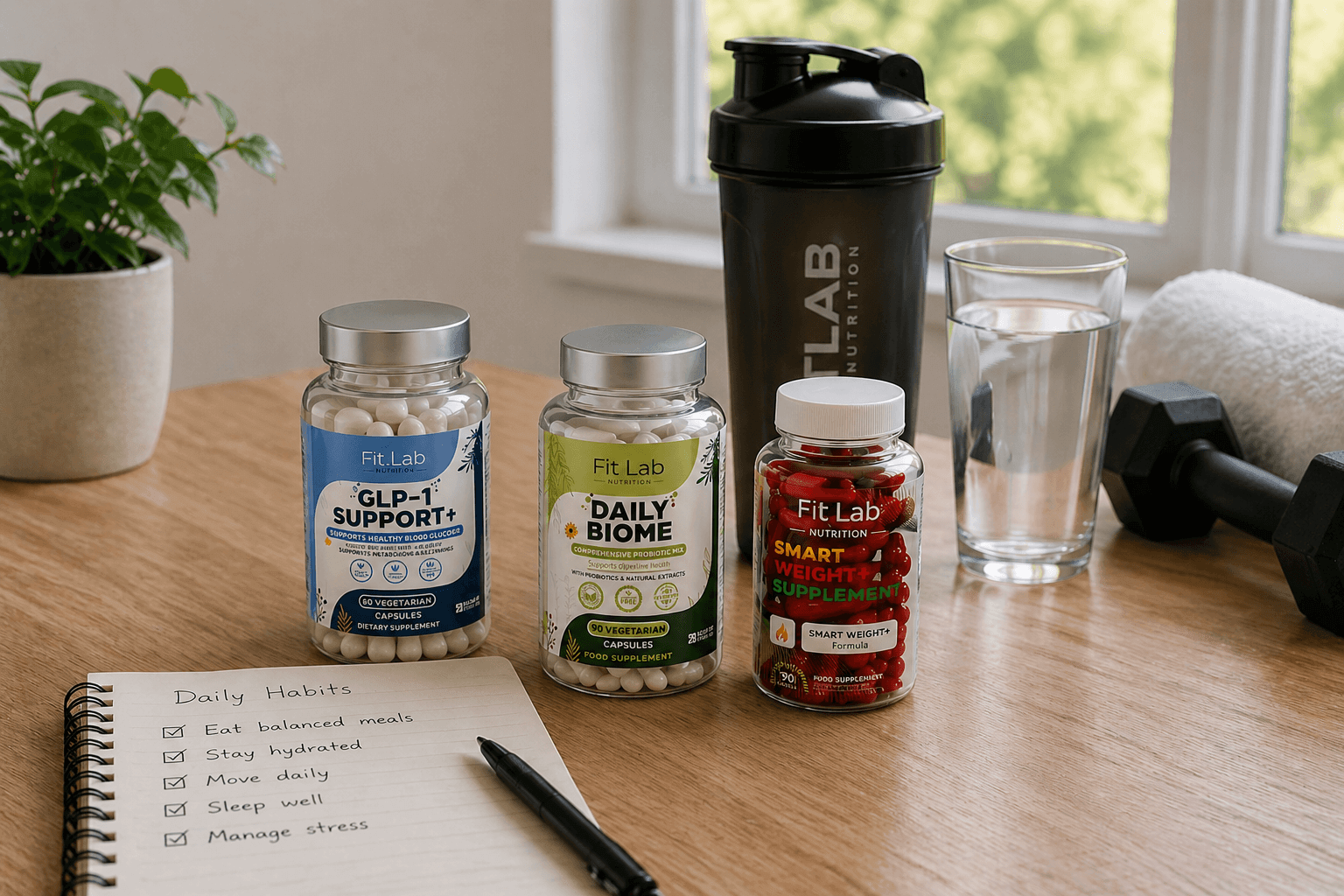
Gut health is a quiet but central part of how a person feels each day. It influences digestion, the comfort that follows meals, regularity, nutrient absorption and the overall balance of the digestive system. With the increased attention on this topic in recent years, many people only begin to notice their gut health when symptoms such as bloating, digestive irregularity, sluggishness or general unease start to appear.
Fitlab Nutrition Services takes a simple, practical and balanced view of gut health. The aim is to support digestive wellbeing through awareness, routine and gentle nutritional choices when appropriate. A gut-friendly routine usually includes fibre-rich foods, a variety of plant-based ingredients, steady fluid intake, regular meals and gentle movement, with attention paid to managing stress. These straightforward decisions tend to translate into a more balanced digestive pattern over time.
Digestive comfort can affect confidence, mood and the rhythm of everyday life. When bloating, heaviness after meals, an irregular pattern or general unease appears, people often start to notice how closely digestion connects with their quality of life.
Fitlab Nutrition Services approaches digestive comfort through calm, consistent habits. This may include eating slowly, gradually introducing different whole foods, adding fibre in small daily increments, drinking water consistently and avoiding sudden changes that can place strain on the digestive system. The intention here is not to make medical claims. It is to encourage a more thoughtful approach to digestion and daily nutrition.
The gut microbiome refers to the community of microorganisms that live in the digestive tract. It is often discussed in relation to digestion, immune health, nutrient utilisation and general wellbeing. Variety can be helpful for a balanced microbiome. A range of fibres, a mix of plant foods, the inclusion of fermented foods where suitable and consistent eating patterns may all play a role. For a deeper understanding of how gut health and weight management connect, explore how microbiome balance influences the body's natural rhythms.
Microbiome support is presented to readers as part of a wider wellbeing routine, never as a medicinal solution. The wording stays measured and considered. These habits may help support balance in the gut. They are not framed as remedies for digestive conditions.
Fibre is one of the most important elements within a gut-friendly diet. Vegetables, fruits, oats, beans, lentils, seeds and wholegrains are everyday foods that help provide it. However, fibre often needs to be increased gradually. Moving suddenly from a low-fibre routine to a high-fibre one can feel uncomfortable for some people. Fitlab Nutrition Services encourages gradual, sustainable progress rather than abrupt dietary shifts.
An ideal gut health routine should feel achievable. Small changes that are repeated tend to last longer than dramatic shifts that feel unmanageable after a few days.
Prebiotic support refers to ingredients that nourish the helpful bacteria already in the gut, while live culture support is often discussed in the context of helping maintain microbial balance. These topics are described in plain, careful language without medical claims.
Fitlab Nutrition Services may help people who want to understand how these elements can sit alongside a well-rounded diet. The underlying point is straightforward. Supplement support works best when it is paired with good food choices, hydration, movement and routine. Supplements are never represented as a cure, treatment or replacement for professional advice.
Many people notice the connection between digestion and mood. Stress can influence appetite or digestion, and digestive discomfort can in turn affect confidence or focus. This is often referred to as the gut-brain connection. Fitlab Nutrition Services explains this idea in a simple, general way. How calm and balanced a person feels may depend on lifestyle, eating schedules, hydration, sleep and stress management. The tone here remains careful. The aim is awareness, not promised outcomes related to mood or mental health.

Metabolism is often misunderstood. Many people only think about it in terms of weight, but it is far broader than that. In its simplest form, metabolism describes how the body uses food for energy and how it carries out the daily work of keeping a person well. Metabolic health is best understood through the lens of nutrition, activity, rest, hydration and steady consistency over time, with age and muscle mass also influencing the picture. It deserves responsible language and realistic expectations rather than quick fixes.
It is also important not to frame this area as a promise of weight management. Instead, it sits within a wider lifestyle conversation that takes in what a person eats, how often they move, how well they sleep and the broader rhythms of life, rather than focusing on what the scales show on any given day.
Energy balance is shaped by many factors, including food intake, physical activity, sleep, psychological stress and lifestyle patterns. There is no single product or dramatic change that determines a healthy metabolism. A general way of life supports it.
Fitlab Nutrition Services encourages people to look more closely at their routines. Are meals balanced? Is protein included regularly? Is movement consistent? Is sleep being protected? Is hydration considered across the day? These questions are usually more useful than chasing short-lived trends. Supportive nutrition can help a person build better habits, but it should always be presented as part of a wider picture rather than the sole focus.
With age, many people notice changes in the body. Energy may feel different. Recovery may take longer. The activity that once felt simple may feel less straightforward. This can happen for several reasons, including changes in muscle mass, activity levels, hormones, sleep, stress or general lifestyle.
Fitlab Nutrition Services acknowledges age-related metabolic changes in a calm and reassuring way. The tone is not designed to alarm. The focus is on the fact that even moderate routines can offer meaningful support over time. Greater attention to strength-based movement, protein intake, regular meal timing, hydration and sleep can help many people feel a little more balanced as they move through different stages of life.
Muscle plays an important role in metabolic health. Movement, resistance work and adequate protein support muscle maintenance, which in turn helps strength, daily energy and overall function. Movement is presented gently. Not everyone needs intensive gym training. Walking, light strengthening exercises, stretching, active hobbies and gradual progression in routine can all be helpful.
Fitlab Nutrition Services treats movement as part of wellbeing rather than as punishment or pressure. Balanced habits do not have to feel extreme. They are meant to support each other and stay manageable.
Eating balanced meals can help energy feel steadier and can support a person's ability to recognise when they are hungry or full. Protein, fibre, healthy fats and complex carbohydrates may support a more satisfied feeling across the day. Understanding anti-inflammatory nutrition principles can help guide more balanced food choices throughout the day. Fitlab Nutrition Services does not present claims about treating blood sugar concerns medically. The conversation is about general balance in nutrition and everyday energy. Language stays cautious here, especially for those managing a medical condition. Anyone with diabetes, blood sugar concerns or who takes related medication should always speak with a qualified healthcare professional before adopting any supplement or dietary plan.
Weight management is a sensitive subject and is treated with care. There is no place here for shame, pressure or unrealistic before-and-after language. There are no promises of speed or guaranteed outcomes. A measured approach focuses on practices such as:
Supplements may sit alongside a healthy lifestyle for some adults, but they are never treated as a substitute for balanced nutrition or professional guidance.

Modern routines can be demanding. Many people are juggling work, family, exercise, travel, screen time, broken sleep and irregular meals. It is no surprise that energy levels, focus and motivation can feel uneven. Fitlab Nutrition Services approaches lifestyle energy and active routines in a grounded and relatable way. The goal is not to push bursts of motivation. It is to support the steadier effort that helps people build a more reliable routine. Energy support is always set within the basics: food quality, hydration, sleep, movement, stress management and recovery.
Low energy can have many causes. It may be linked to poor sleep, irregular meal timing, dehydration, stress, low movement, overtraining or simply a lack of structure in the day. A single supplement is not framed as a fix for tiredness, and persistent fatigue is always worth professional attention.
The more useful message is that everyday energy often follows everyday patterns. Adequate food intake, balanced meals, consistent hydration, regular movement and proper rest can each contribute to a steadier rhythm. Supplement support may be helpful for some adults, but it should always sit alongside these foundations rather than replacing them.
Focus is influenced by sleep, hydration, the body's response to stress, nutrition, screen time, workload and the structure of the day. Fitlab Nutrition Services discusses focus only in the context of general wellbeing. It is not framed as a treatment for medical or cognitive conditions.
Helpful habits may include eating regular, balanced meals, staying hydrated, taking screen breaks, including movement during the day and being thoughtful about caffeine or stimulants. The aim is to encourage greater consistency, not to make exaggerated promises around performance.
Focus also tends to follow rhythm. People who eat at fairly regular times, who pause before meals rather than rushing through them, and who allow short breaks between tasks often notice their attention feels easier to hold. None of this requires dramatic change. It is more about gentle structure across the day. When focus does feel scattered for a long stretch, that is worth taking seriously, and a conversation with a healthcare professional is the right next step.
People who train regularly often pay closer attention to nutrition because they want to feel ready for activity, recover well and remain consistent. Fitlab Nutrition Services supports active lifestyles by focusing on routine, preparation and balance.
This may include:
Content remains careful and supportive. There are no claims of performance enhancement or physical transformation. The focus is on consistency.
Motivation tends to come and go. Habit is what helps a routine continue when motivation dips. Fitlab Nutrition Services speaks to readers in a human way and acknowledges that wellness routines are not always easy.
Some weeks feel productive. Some days feel low on energy. Some periods feel slower regardless of effort. The reassuring point is that small, steady actions still count. The most reliable wellbeing routines are the ones a person can return to without guilt or pressure.

There is a clear connection between gut health, metabolic support and daily energy. They are not best understood as separate categories within wellbeing.
When digestion feels comfortable, people often feel better about their food choices. When meals are balanced, energy may feel steadier. When sleep and hydration improve, appetite and motivation may feel more manageable. When movement becomes part of the routine, metabolic health and overall consistency tend to be better supported.
Fitlab Nutrition Services frames these areas as parts of one cohesive lifestyle. The aim is not perfection. It is learning how to build a routine that supports the body in a realistic, accountable and sustainable way.
A useful services overview should reflect this connected reality. Gut health, metabolism, energy and lifestyle habits all influence the way everyday life feels.
Fitlab Nutrition Services is well suited to adults who want to approach their daily wellness with more intention. This includes those interested in gut health, digestion, metabolism, energy and focus, active lifestyles or healthier lifestyle habits. It may suit adults looking for guidance with:
This section stays broad and responsible. It is not implied that Fitlab Nutrition Services is universally suitable, and there are no medical claims attached to any service area.
Not every person needs supplements, and not every routine is appropriate for every situation. Adults who are pregnant or breastfeeding, those under 18 years of age, those currently taking medication, anyone managing a medically diagnosed condition, those with allergies, or anyone uncertain whether supplements are appropriate, should always consult a qualified healthcare practitioner before using any supplements or making major changes to their diet.
This is especially important for those experiencing digestive issues, metabolic concerns, blood sugar imbalances, food sensitivities or chronic symptoms. A responsible wellbeing approach always supports professional input where it is needed.
Supplements can play a useful role in supporting day-to-day wellbeing, but they should be considered with a healthy sense of realism. They are not magic solutions. They are not substitutes for a varied diet, restful sleep, hydration, movement or proper healthcare.
Within Fitlab Nutrition Services, supplements are presented as one part of a wider routine. They may help support certain wellbeing goals, but the foundation will always rest on consistent everyday habits. A more accurate way to think about supplements is that some people experience benefit and others may not. Bodies, diets, schedules, stress levels, sleep patterns and medical histories all differ. What feels supportive for one person may not feel the same for another. The simplest, safest takeaway is that supplements should complement healthy habits, never replace them.
A strong wellbeing routine does not have to be elaborate. Often, the most useful changes are the ones that feel manageable enough to continue. Fitlab Nutrition Services places its attention on small, sustainable habits, including eating a wider variety of whole foods, increasing fibre gradually rather than all at once, keeping water intake steady, moving regularly across the day, supporting sleep and finding small ways to ease stress.
Eating a wider range of foods helps the body draw on a broader spread of nutrients. Vegetables, fruits, wholegrains, legumes, nuts, seeds and moderate protein sources can all support everyday wellbeing. The aim is not to eat perfectly. It is to create a pattern that supports steady energy, comfortable digestion and consistency.
Fibre supports digestion, but a sudden increase can leave some people feeling uncomfortable. A slower pace tends to work better. Adding more fibre-rich foods step by step and pairing this with steady hydration can make the change easier on the body.
Hydration is often overlooked, yet even mild dehydration can influence how a person feels during the day. Water plays a role in digestion, energy, focus and the body's response to movement. Hydration is one of the foundational habits encouraged across Fitlab Nutrition Services.
Movement supports both physical and mental wellbeing. It does not need to be intense. Walking, stretching, strength training, cycling, swimming or simply staying active across the day can all contribute. For most people, consistency tends to matter more than intensity.
Sleep influences mood, energy, appetite, focus and recovery. Rest deserves to be treated as part of a wellbeing routine rather than the last thing on the list. Within Fitlab Nutrition Services, sleep is encouraged as a quiet but central part of any healthier habit set.
Stress can affect digestion, appetite, sleep, energy and motivation. Removing stress is not always possible, but small routines can help. Steady breathing, regular meals, gentle movement, better sleep habits and reduced screen time before bed can all offer some balance. The tone here remains soft but practical, recognising that everyone manages stress differently.
Wellbeing is not measured in single perfect days. It is shaped by what is repeated across the week. Some days will feel easier than others. Some weeks will run smoothly while others feel disrupted by travel, illness, deadlines or family demands. The aim is not to keep every habit intact at all times. It is to return to them gently when life settles again.
This kind of pacing tends to protect motivation. When a person allows themselves to step back without guilt, they are usually more willing to step forward again. Wellbeing routines that bend with real life are far more durable than routines that demand perfect adherence. Fitlab Nutrition Services keeps this principle in mind across every area it touches, whether the focus is digestion, energy, movement or rest.
It is a structured, wellbeing-oriented services concept covering gut health, metabolic balance, energy, focus, active living and lifestyle support. The tone is professional, human and responsible, without medical claims or guaranteed outcomes.
There are three connected pillars: gut health and microbiome support, metabolic health and weight management support, and energy, focus and active lifestyle support. These areas are presented as parts of one unified wellbeing approach.
Yes. Gut health can play an important role in digestion, comfort, nutrient absorption and general wellness. A consistent lifestyle that includes a variety of foods, fibre, hydration, movement and stress awareness can support digestive health.
Age, muscle mass, movement, sleep, stress, hormones and daily habits can all influence metabolism. Many people notice changes in energy, body composition or appetite over time. A balanced lifestyle can help support metabolic wellbeing across different stages of life.
Supplements are intended to complement, not replace, a healthy lifestyle. They should not be presented as a guaranteed weight management solution. Sustainable progress relies on balanced nutrition, movement, sleep, hydration, stress management and consistency.
No. Supplements cannot substitute for a varied and balanced diet. They are best used as additional tools to complement healthy eating, hydration, movement and rest.
Anyone who is pregnant, breastfeeding, under 18, taking medication or managing a medical condition should speak with their healthcare provider before using any supplements or making significant dietary changes.
There is no fixed timeline. Lifestyle, diet, sleep, stress, health background and consistency all influence how a person responds. Fitlab Nutrition Services does not promise specific results or timelines.
Steadier energy and focus often follow balanced meals, hydration, sleep, movement, stress management and a healthier daily structure. Supplement support can sometimes assist, but it is never positioned as the foundation.
Digestion, nutrient utilisation and metabolism are linked through the wider routine of food, sleep, movement and lifestyle habits. Improving awareness and consistency in one area can often help support the others over time.
Fitlab Nutrition Services is shaped for adults who want to support their wellbeing quietly and confidently, without overstatement or unrealistic promises. The clearest message is that health is built through habits repeated over time. No single supplement can sustain gut health, metabolic balance, energy, focus or active living more reliably than a realistic lifestyle. Supplements may have a place within that routine, but they should always be used appropriately and alongside balanced nutrition, movement, hydration, sleep and any professional guidance that may be needed.
The wider invitation is to think of wellbeing as a long, gentle conversation with the body. Some days the answer is rest. Some days it is more movement. Some weeks it is better food choices, and other weeks it is simply allowing space to recover from a stressful period. Listening matters more than chasing. The body usually offers small signals long before bigger problems appear, and a thoughtful routine helps a person notice those signals sooner.
Fitlab Nutrition Services holds space for that quieter way of caring for health. It is shaped around realism, not pressure. It is honest about what nutrition and supplements can and cannot do. It encourages people to look at their lives in full, including work, sleep, relationships and rest, rather than trying to solve everything through one product or one plan. When wellbeing is approached this way, it tends to feel less overwhelming and more like an everyday practice.